Padel vs tennis: what is different and which one suits you
Padel is played on an enclosed court of 20 by 10 metres, smaller than a tennis court, almost always in doubles, with a solid stringless racket and an underarm serve. Both use the same scoring, but in padel the glass walls are part of play, so rallies are longer and beginners get going faster, while tennis rewards a big serve and covering a much bigger open court.
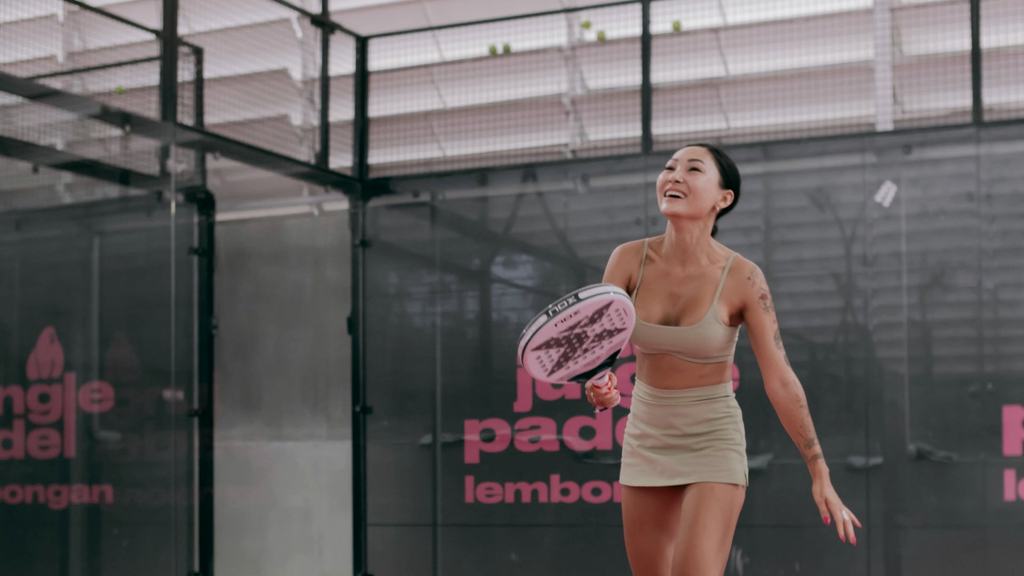
Padel and tennis at a glance
Padel borrows heavily from tennis, so the two share a lot: a net, a yellow ball, the same 15, 30, 40 scoring and the same idea of winning points by making your opponent miss. The differences start the moment you walk on court.
| Padel | Tennis | |
|---|---|---|
| Court | 20 m by 10 m, enclosed by glass and mesh | About 23.8 m long, open, with lines marking in and out |
| Players | Almost always doubles | Singles or doubles |
| Racket | Solid, stringless, perforated face | Strung frame, longer handle |
| Serve | Underarm, after a bounce, hit at or below waist height | Usually overarm, from above the head |
| Walls | In play after the ball bounces | No walls; the ball is out once it lands outside the lines |
| Ball | Looks the same, slightly less pressurised | Standard tennis ball |
| Scoring | Tennis scoring, often with golden point at deuce | Tennis scoring with advantage |
The court and the walls change everything
A tennis court is open. If your opponent hits past you, the point is gone. A padel court is a box: glass at both ends and along part of each side, with metal mesh on the rest. Once the ball has bounced on your side, it can come off the glass and you can still play it, as long as it has not bounced on the ground again.
That one rule shapes the whole game. Points last longer, because a ball that would be a winner in tennis is often just a ball off the back glass in padel. Power alone wins fewer points, because a hard shot simply rebounds back into the court. The pair that controls the net and is patient usually wins, which is why positioning matters more in padel than raw pace.
The smaller court also means less running in straight lines and more short, quick movements: split steps, side shuffles and turns to play the ball off the glass.
Serve, scoring and rules side by side
Scoring is the easiest part to switch: points go 15, 30, 40 and game, a set is first to six games with a two-game lead, and a tie-break settles 6-6. The main difference is that many padel games use golden point: at 40-40 the next point wins the game, instead of playing advantage. Our guide to padel scoring covers it in detail.
The serve is where tennis players need to reset. In padel you bounce the ball behind the service line and hit it underarm, at or below waist height, diagonally into the box. The serve is a way to start the point, not a weapon. In tennis a big first serve can win points on its own.
A few other rules catch tennis players out:
- Your shot must bounce on the opponents' side before it touches their walls.
- You may play the ball into your own walls to get it back over the net.
- A serve that bounces in the box and then hits the mesh is a fault; off the glass it is good.
The full list is in padel rules for beginners.
Which is easier to learn?
For most people, padel is quicker to get started with. The underarm serve takes minutes to learn, the racket is short and solid, and the walls keep the ball in play, so complete beginners can hold rallies in their first session. That is a big reason padel spread so fast as a social sport.
Tennis usually takes longer before beginners can rally comfortably: the overarm serve, the timing of a full swing on a strung racket and the size of the court all take practice. Players who stay with it get a sport with huge depth, played all over the world in singles and doubles.
Neither is easy to master. Padel's difficulty arrives later: reading the ball off the back and side glass, the bandeja, defending lobs and moving as a pair. If you are weighing it up, read is padel easy to learn.
Coming to padel from tennis
Tennis players usually pick up padel fast, and they also carry a few habits that cost points.
What carries over
- Volleys and net instincts, which are central in padel.
- Footwork, the split step and reading the opponent.
- Lobs and overheads, used constantly in padel.
- Match sense: scoring, pressure points and doubles teamwork.
What to unlearn
- Big swings. A shorter, more compact swing gives better control with a solid racket.
- Hitting everything before the glass. Letting the ball come off the back wall is often the better choice.
- Smashing every high ball. Hard smashes often come back off the glass. Controlled overheads like the bandeja keep the net.
- Heavy wrist topspin. Padel players tend to use flatter or sliced shots that stay low after the glass.
A few sessions with a coach speed up the switch. You can find verified coaches on PadelSP.
Gear and getting a game
Gear for the two sports is different. A padel racket is solid, with a foam or rubber core and holes in the face; you choose by shape, weight and balance rather than string tension. See the best padel rackets for beginners. Padel shoes look like tennis shoes and many players use clay or all-court tennis soles on padel courts. The padel shoes guide explains what to look for.
Getting a game is where padel is most social. Because it is doubles, you need four players and one court, and in Pakistan most games come together through WhatsApp groups and club regulars. PadelSP makes that easier: post a game or join one in Play filtered by your Level from 0 to 7, so a former tennis player does not end up in a game far above or below them. Before you book, check card deals in the app for bank card discounts at clubs.
So, padel or tennis?
There is no wrong answer, and plenty of people play both.
- Choose padel if you want a social game with friends, quick progress in your first weeks, long rallies and a sport you can play in an hour after work.
- Choose tennis if you want to play singles, enjoy hitting with full power, want a game with a long tradition at every level, or already have a tennis club and partners.
If you are curious, book a session, borrow a racket and play one Americano. On PadelSP the live Scoreboard keeps the score on every phone, so you can focus on the game.
Frequently asked questions
Is padel easier than tennis?
It is usually easier to start: the serve is underarm, the court is smaller and the walls keep the ball in play, so beginners rally sooner. Both take years to master.
Is padel scored the same as tennis?
Yes, 15, 30, 40 and game, with sets to six and a tie-break at 6-6. The common difference is golden point, where the next point at 40-40 wins the game.
Can tennis players play padel?
Yes, and they usually adapt quickly. Volleys, footwork and lobs carry over; big swings, heavy topspin and hitting every ball before the glass need adjusting.
How big is a padel court compared with a tennis court?
A padel court is 20 metres by 10 metres and enclosed by walls. A tennis court is longer, about 23.8 metres, and open, with lines marking the boundaries.
Keep reading