Padel vs squash: two wall games, very different sports
Both padel and squash use walls, but in opposite ways. In squash two players share one court and the front wall is the target, so every shot must reach it; in padel two pairs face each other across a net on a 20 by 10 metre court, and the glass walls only come into play after the ball has bounced. Squash is mostly singles with PAR scoring to 11, while padel is doubles with tennis scoring.
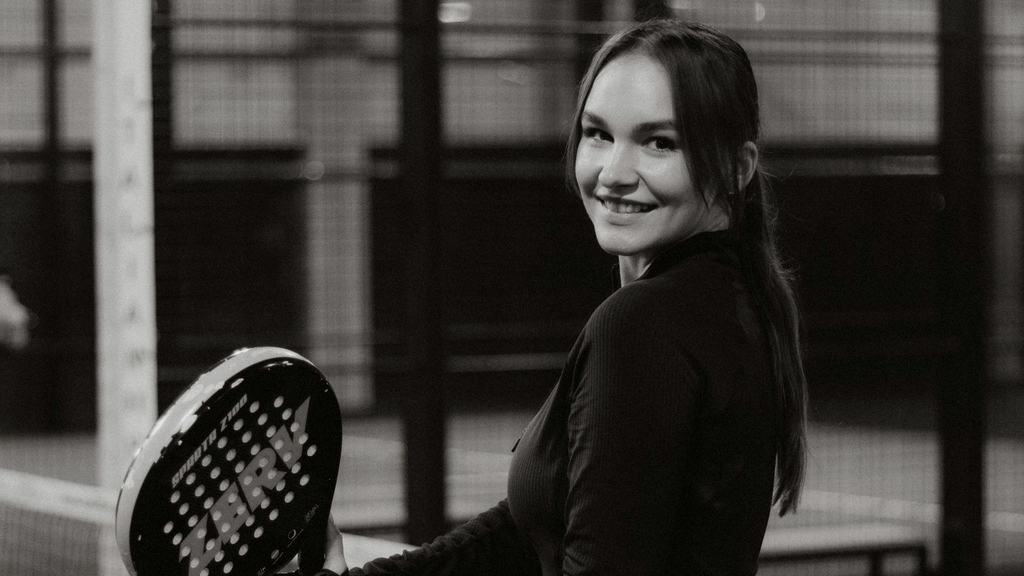
Two wall games, side by side
Pakistan has a proud squash history: Jahangir Khan and Jansher Khan are among the greatest players the sport has seen, and many Pakistani clubs still have squash courts. So when padel courts started appearing, a lot of people asked the obvious question: is it just squash with a net? It is not, though squash players do have a head start in one area: the walls.
| Padel | Squash | |
|---|---|---|
| Players | Almost always doubles, two against two | Mostly singles, one against one |
| Court | 20 m by 10 m, split by a net, enclosed by glass and mesh | Smaller enclosed room, no net, both players share the space |
| Walls | In play after the ball bounces on your side | The front wall is the target; side and back walls can be used on the way |
| Racket | Short, solid, stringless | Long, light, strung |
| Ball | Felt ball like a slightly softer tennis ball | Small rubber ball with a low bounce |
| Serve | Underarm after a bounce, at or below waist height | From a service box onto the front wall above the service line |
| Scoring | Tennis scoring: games and sets | Point-a-rally scoring, games usually to 11 |
How the walls work in each sport
In squash, the front wall is the whole point of the game. Every shot has to hit the front wall, above the tin and below the out line, before the ball bounces on the floor. You can bounce it off a side or back wall on the way. After it hits the front wall, the ball can bounce once on the floor before your opponent must hit it.
In padel, you hit the ball over a net into the other half of the court. Your shot must bounce on the opponents' floor before it touches their walls. After that bounce it can come off their glass and they can still play it. You can also play the ball into your own walls so that it rebounds over the net.
So a squash player's instinct to aim at a wall has to be turned around. In padel the walls are a safety net that gives you more time, not the target. The full rules are in padel rules for beginners.
Sharing the court vs facing each other
In squash both players move around the same space and take turns hitting. That is why squash has rules about getting out of the way, lets and strokes, when one player blocks the other. Positioning is about owning the middle of the court, the T, and moving your opponent away from it.
In padel each pair stays on its own side of the net, so there is no blocking. Positioning is about working with your partner: both of you at the net to attack, both back to defend, and moving together like two ends of a rope. Our guide to padel positioning covers it, and padel doubles tactics goes further.
Rackets, balls and the feel of a rally
A squash racket is long and light, and the rubber ball has a low bounce that rewards fast, low, precise hitting. Squash has a reputation as one of the most demanding racket sports to play, with long rallies, constant changes of direction and very little time between shots.
A padel racket is short and solid, and the felt ball comes off the glass at a pace you can read. Rallies are long too, but the doubles format and the size of the court give you a bit more time, and points often turn on lobs, volleys and controlled overheads like the bandeja. Because there are four players, padel is also a very social game: you can chat between points and change partners in formats like Americano.
Scoring compared
Modern squash uses point-a-rally scoring: whoever wins the rally scores, whether they served or not. Games are usually played to 11, you need to win by two, and matches are often the best of five games.
Padel uses tennis scoring. Points go 15, 30, 40 and game, sets are first to six games with a two-game lead, and 6-6 goes to a tie-break. Many games use golden point at 40-40. See padel scoring explained for every detail, including tie-breaks and serving order.
Switching from squash to padel
Squash players bring a lot to padel: quick reactions, comfort with balls coming off walls, good touch and fast footwork. A few things take adjustment:
- Let the ball come off the glass. Squash players often want to hit early; in padel, waiting for the rebound usually gives you an easier ball.
- Use a shorter swing. The padel racket is short and solid, so compact strokes give better control than long, wristy squash swings.
- Hit over the net, not into a wall. Shots that hit the opponents' glass before bouncing lose the point.
- Play as a pair. Talk to your partner, cover the middle and move together.
- Learn the lob. It is a key shot in padel and has no real squash equivalent. Read the padel lob.
A coach can make the switch quicker. Find verified coaches on PadelSP.
Which should you play?
Choose squash if you want an intense one-on-one game, can find a squash court and a regular opponent, and enjoy a sport with deep roots in Pakistan. Choose padel if you want a social game with friends, longer rallies with more time on the ball, and a sport where beginners can enjoy themselves from the first session.
Many players do both. To try padel, find a game in Play on PadelSP, where games are filtered by Level from 0 to 7, so you start against people at your standard. The live Scoreboard tracks the score on every phone, and competitions are there when you want something more serious. Before you book a court, check card deals in the app for bank card discounts at clubs.
Frequently asked questions
Is padel like squash?
Only in that both use walls. In squash you hit the ball against the front wall in a shared court; in padel two pairs hit over a net, and the walls are in play only after the ball bounces.
Is padel singles or doubles?
Padel is almost always played as doubles, two against two. Squash is mostly played as singles.
How is squash scored compared with padel?
Squash uses point-a-rally scoring, usually to 11 with a two-point lead. Padel uses tennis scoring: 15, 30, 40 and game, with sets to six games.
Do squash players make good padel players?
They often adapt quickly because they are used to reading balls off walls and have fast reactions. They usually need to shorten their swing and learn to let the ball come off the glass.
Keep reading