The padel vibora: technique, targets and when to use it
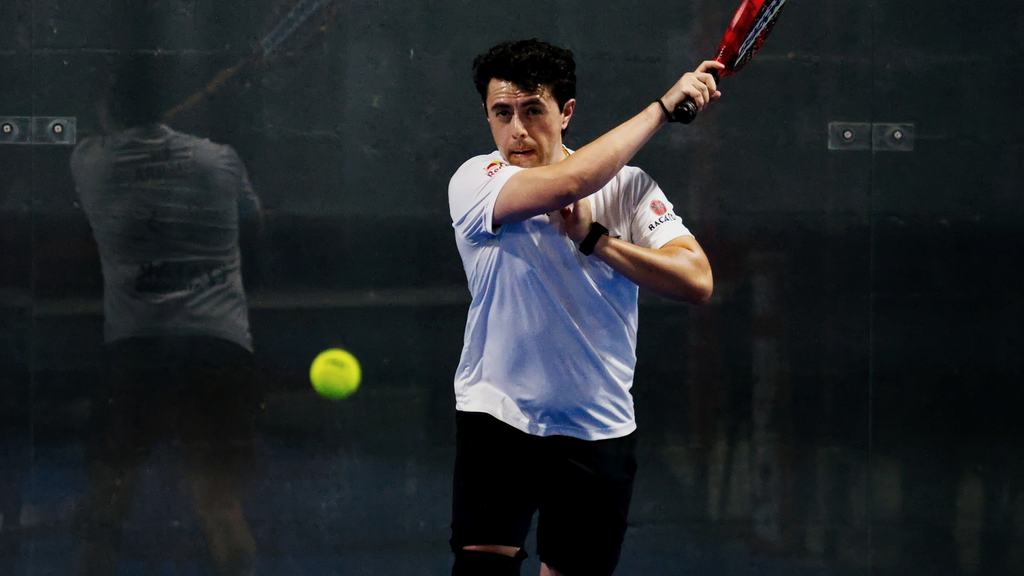
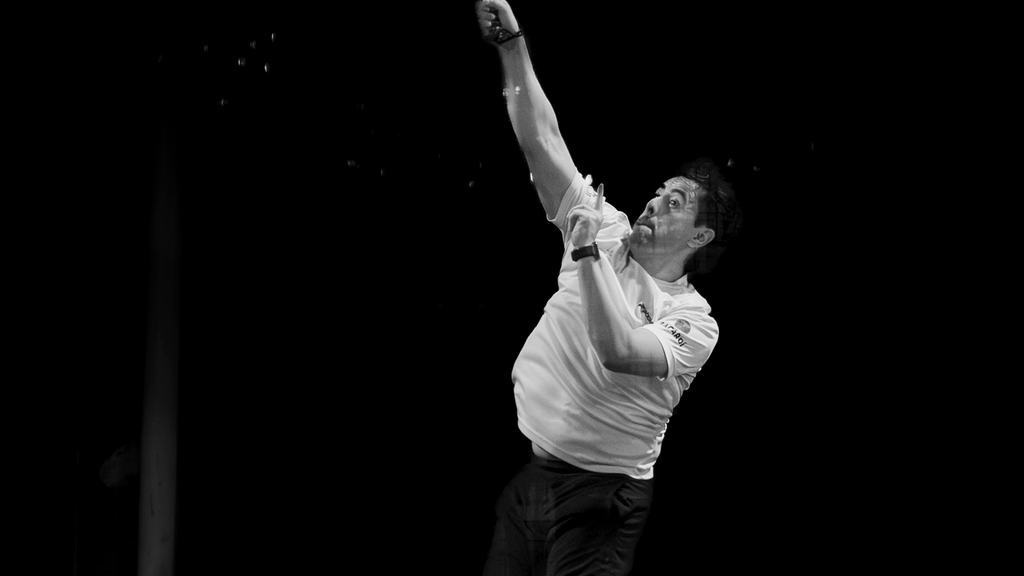
The vibora is an attacking overhead hit with a mix of slice and side spin, so the ball skids low off the side glass and is very hard to return. Play it against a medium lob you cannot smash for a winner: contact out to your right at about shoulder to head height, a faster, whipping swing than the bandeja, and aim cross-court into the side glass near the back corner.
What makes the vibora different
Vibora is Spanish for viper, and the name fits: the ball comes through low and fast, then bites off the side glass. Where the bandeja is about control and keeping the net, the vibora is about pressure. You still keep the net, but you also force a weak reply.
The difference is in the spin and the speed. A bandeja is mostly slice with a calm swing. A vibora brushes the side of the ball as well as the back, adding side spin, and the racket travels faster. The result is a ball that stays low after the bounce and kicks sideways off the side wall, so defenders get it at knee height or below.
It is also riskier. A mistimed vibora goes long or into the net more often than a bandeja. That is why most coaches teach the bandeja first and add the vibora once a player can land overheads deep under pressure.
When to choose the vibora
- A medium lob that is not deep enough to force you right back, but not short enough to smash for a winner.
- The ball is out to your forehand side, slightly away from your body. The vibora's contact point is wider than the bandeja's.
- You are balanced and have time to prepare. It needs a full turn and a fast arm.
- The defenders are deep and slow to come forward to the side glass.
If you are pushed far back or the ball drops behind you, go back to the bandeja. If the lob is short and you are close to the net, the smash is on. The vibora lives in the middle.
Many coaches see it most from the player on the left side of the court, because a lob into the middle of the court arrives on that player's forehand. Right-side players hit it too, especially on lobs into their own side glass.
How to hit a vibora, step by step
For a right-handed player. Left-handers mirror everything.
- Continental grip. As for the bandeja and volley. Some players turn very slightly towards an eastern backhand grip to help the slice, but continental is the safe start.
- Early sideways turn. Left shoulder to the net, feet moving with side steps or crossovers, left arm up to track the ball.
- Racket back with the head higher than your hand, the elbow up and a little further behind you than for a bandeja, so you have room to accelerate.
- Let the ball come to the side. Contact is out to the right of your body and slightly in front, between shoulder and head height. It is lower and wider than a bandeja.
- Brush the side and back of the ball. Swing from high to low and from right to left, cutting across the outside of the ball. Think of the strings sliding around the ball rather than hitting through it.
- Accelerate through contact. The forearm turns over as you finish, which adds speed and spin. Keep your grip relaxed until just before contact so the arm can whip.
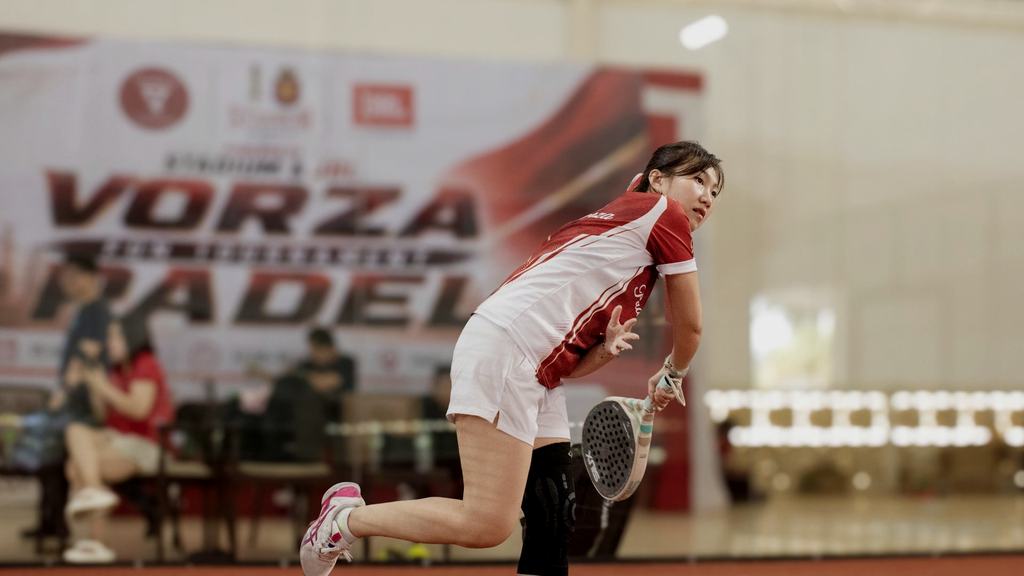
- Finish low and across towards your left hip, weight onto the front foot.
- Recover to the net right away. A good vibora often draws a weak, high reply, and you want to be in position to finish it.
Where to aim the vibora
The classic target is cross-court into the side glass, with the ball bouncing first in the opponents' court and then meeting the side wall about a metre or two in front of their back glass. The side spin makes it skid off the wall and stay low.
- Aim for the bounce to land before the side glass, not straight into it. Hitting the opponents' wall without a bounce loses the point.
- A vibora down the line, into the side glass on your side of the court, surprises defenders who are cheating towards the cross-court corner. Use it now and then, not every time.
- Against tall defenders who love to attack balls off the glass, keep the vibora lower and slower rather than faster.
Common vibora mistakes
- Using it from too deep. From near your own back glass, the vibora loses its bite and floats. Play a bandeja or lob back instead.
- Swinging only with the wrist. A flicky wrist makes it inconsistent and loads the elbow and forearm. The speed should come from the shoulder turn and the forearm rotation together.
- Contact above the head. That turns it into a bandeja with extra effort. Let the ball drop out to the side.
- Over-hitting. A vibora at full power goes long. Around three quarter speed with plenty of spin is enough.
- Not recovering. The vibora gives you a short reply, but only if you are at the net to use it.
If your elbow or forearm feels sore after overhead sessions, slow down and get your technique checked. Our guide to padel elbow and injury prevention covers the basics.
Drills for the vibora
1. Bandeja, then vibora
A feeder lobs you alternate balls: one deep, one medium. Play a bandeja on the deep lob and a vibora on the medium one, recovering to the net between each. The drill trains the decision, which is just as important as the swing.
2. Side-glass target
Put a cone or towel a metre in from the opponents' side glass and two metres in front of their back glass, cross-court from you. Score each vibora that bounces near the target and then hits the side wall. After a round, add a defender who tries to return each one, so you learn which viboras really hurt.
Where the vibora fits in your game
Think of the overheads as a ladder. The bandeja keeps the net, the vibora keeps it and applies pressure, the smash finishes. Most club matches in Pakistan are won by the pair that climbs this ladder patiently instead of jumping straight to the smash on every lob.
The vibora also changes how opponents lob you. Once they know a medium lob comes back fast and low, they have to lob deeper, which is harder to do well. That alone wins points.
Practise the vibora with PadelSP
The vibora is the overhead where coaching pays off most, because small errors in contact point and spin change everything. Find a verified coach on PadelSP and ask for a session on overheads, starting with the bandeja and moving on to the vibora.
Then take it to real games. Filter Play by your Level and use Friendly games to try it without worrying about results. When it holds up, play Ranked games against pairs at or a little above your Level, where a working vibora shows up in your confirmed results. Unsure whether a shot was a bandeja or a vibora? Ask SP Sahib, the in-app assistant, in English or Roman Urdu.
Frequently asked questions
Is the vibora harder than the bandeja?
Yes. It needs a faster swing, more spin and a precise contact point out to the side, so most players learn a reliable bandeja first and add the vibora later.
Where should I aim a vibora?
Usually cross-court, bouncing in the opponents' court before meeting their side glass a metre or two in front of the back glass, so the side spin keeps it low.
Can beginners hit a vibora?
They can try, but a consistent bandeja is more useful early on. Once you can land overheads deep under pressure, a coach can help you add the vibora.
Does the vibora hurt your elbow?
It can put more load on the arm if you hit it with too much wrist. Use the shoulder turn and forearm rotation, keep the grip relaxed, and see a doctor or physio if pain continues.
Keep reading