The padel smash: flat, por tres and por cuatro
In padel a hard smash is not automatically a winner, because the glass sends the ball back into play. A smash wins outright only when it is placed where the defenders cannot reach it or when it leaves the court: the por tres (x3) bounces and flies out over the back or side glass, and the por cuatro (x4) bounces and goes out over the side fence. When the lob is deep, play a bandeja or vibora instead.
Why the padel smash is different from tennis
Players coming from tennis and squash, which is most padel players in Pakistan, love to smash. On a tennis court a hard overhead into open space ends the point. On a padel court the same ball bounces, hits the back glass and comes back out at a comfortable height for the defender, who now has you out of position at the net.
So the padel smash comes in a few versions, each with a different aim:
- The flat smash: placed rather than blasted, into a gap, at a defender's feet, or bouncing deep so the rebound is awkward.
- The por tres (x3): hit hard and steep enough that after the bounce the ball rises off the back or side glass and flies out of the court.
- The por cuatro (x4): hit with an angle and spin so that after the bounce the ball goes out over the side fence.
Out-of-court smashes are spectacular, but they need a short lob, room to swing and good timing. Knowing when not to smash matters just as much.
Basic smash technique
All three versions share the same base. For a right-handed player; left-handers mirror.
- Grip: continental, or very slightly towards an eastern forehand for more power on the flat smash.
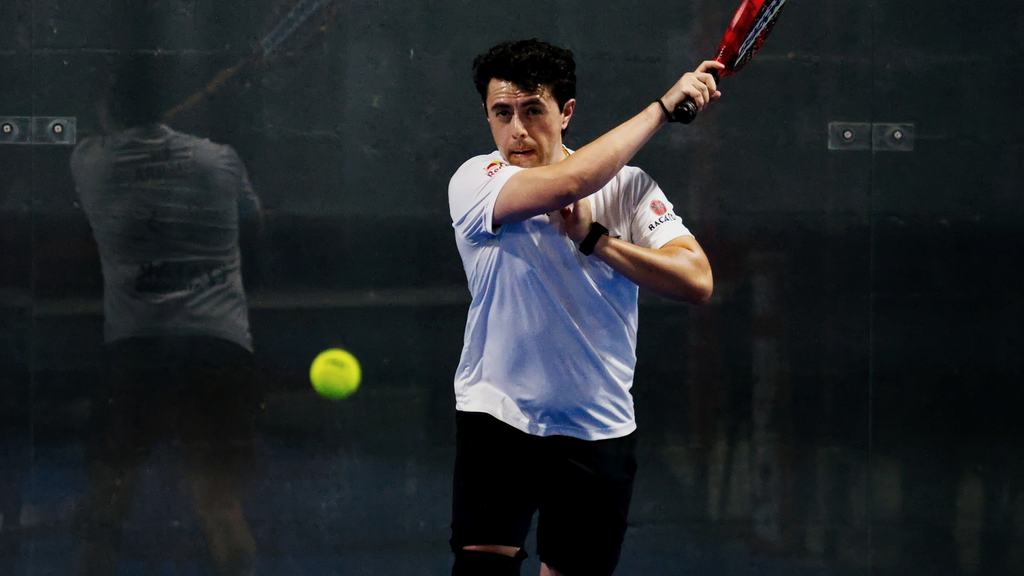
- Turn sideways early, left shoulder to the net, and point your left arm up at the ball.
- Move under the ball with side steps so it is slightly in front of your hitting shoulder, never behind your head.
- Racket drops behind your back in a relaxed throwing position, elbow up.
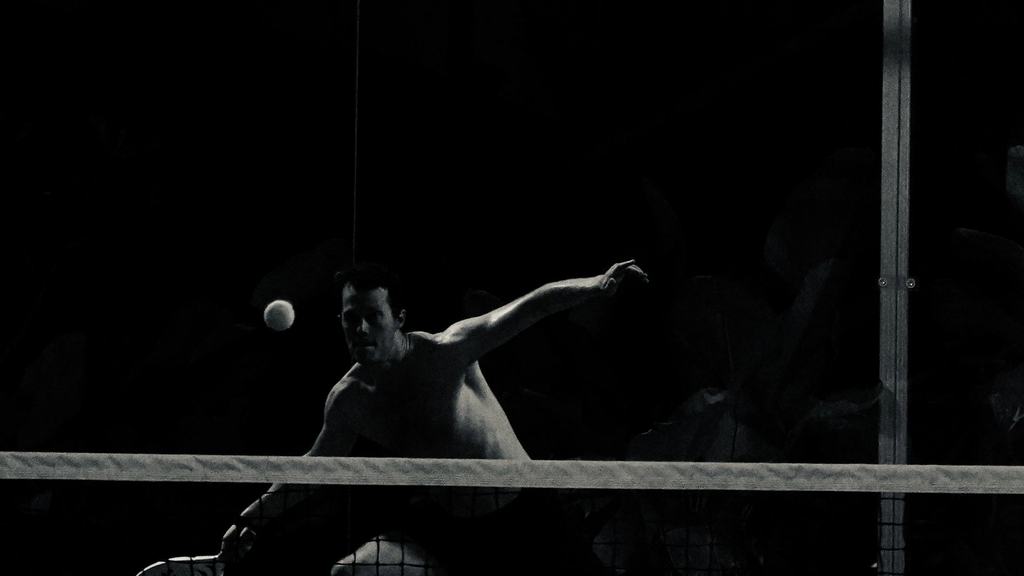
- Extend up to the ball and make contact at full reach in front of you, at the highest point you can comfortably hit.
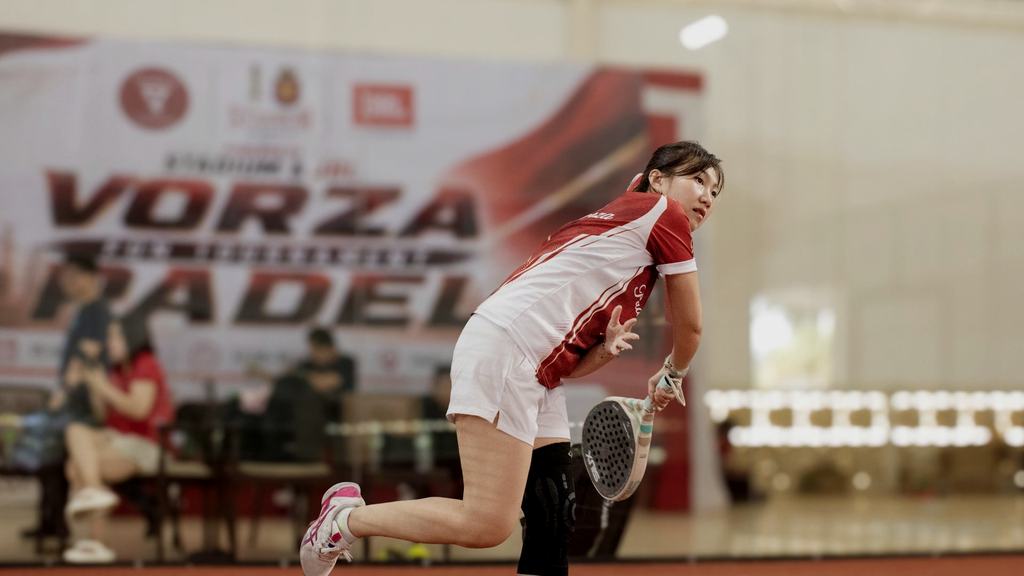
- Pronate through contact: the forearm turns over as in a throw, and the racket finishes down on your left side.
- Land and recover to the net, ready for the ball that comes back.
A useful thought: smash like you are throwing a ball hard and down, not like you are swinging an axe.
The flat smash: placement over power
Use the flat smash on short or medium lobs when an out-of-court finish is not on. The goal is to make the next ball difficult, not to break the glass.
- Into the gap between the defenders, or at the feet of a defender standing close to the glass.
- Deep and steep, so the ball bounces near the back glass and comes off it low and fast, giving a defender little time.
- Into the side glass with an angle, so the rebound runs away from the defender.
Avoid smashing hard to the middle of the back glass from deep in your court. That is the most common way to turn an easy point into a lost one.
Por tres (x3): out over the glass
The por tres, or x3, is the smash that bounces in the opponents' court, rises off their back or side glass and leaves the court. The defenders cannot play it unless the court has side exits and someone runs out to chase it, which very few club players attempt.
- When: a short, high lob that lets you get close to the net with time to set up.
- How: full throwing action, contact high and in front, hit flat and steeply down so the ball bounces with plenty of energy, roughly around the opponents' service line or a little deeper. The steeper and harder the bounce, the higher it climbs the glass.
- Where: towards the back glass, often down the middle or slightly towards a corner, depending on the court and the angle of the lob.
A failed x3 is a hard ball that comes off the glass at a nice height for the defender. If you are not sure you have the height and power, place a flat smash instead.
Por cuatro (x4): over the side fence
The por cuatro, or x4, bounces in the opponents' court and goes out of the court over the side fence. It relies on angle more than raw power.
- When: a short lob that drifts towards the side of the court, close to the net.
- How: contact slightly out to the side, brush the ball with topspin and some side spin, and aim the bounce towards the side of the opponents' court so it kicks sideways and up.
- Where: towards the side of the court, near the net area, where the bounce has the shortest path out.
The x4 is a lower percentage shot for most club players. Practise it, but treat it as a bonus, not your main finish.
When not to smash
This decision wins more matches than any technique tip.
- The lob is deep and you are at or behind the service line: play a bandeja.
- The lob is medium and out to your side: play a vibora to keep pressure without the risk.
- The ball has dropped behind your head: you cannot hit down on it. Bandeja, or let it bounce and defend.
- Outdoor wind is moving the lob around, common on open courts in the evenings.
- You are tired late in a long match. A tired smash is a gift for the defenders.
Mistakes and drills
The usual errors: letting the ball get behind you, facing the net instead of turning, swinging with only the arm, and smashing everything to the back glass from too deep. Watch also for landing and standing still. After every smash, recover forward.
Drill 1: decide, then hit
A feeder lobs a mix of short, medium and deep balls. You call out "smash", "vibora" or "bandeja" before the ball bounces in your court, then play that shot. The aim is fast, correct decisions.
Drill 2: x3 ladder
From short lobs only, try to get the ball out over the back glass. Start by counting how many touch the top of the glass, then how many leave the court. Rest between sets, because the full smash action is tiring for the shoulder.
Train the smash on PadelSP
Overheads are where a coach makes the biggest difference quickly, especially for strong tennis and squash players who need to unlearn the urge to blast every lob. Book a session with a verified coach on PadelSP and ask for work on shot selection as well as technique.
Then play. Find games at your Level in Play, use Friendly games to practise the x3 and the decision to hold back, and use Ranked games to see whether it actually wins points. The live Scoreboard gives every player the score on their phone, and match awards voted by players let your opponents tell you, honestly, whether that smash was as good as you thought.
Frequently asked questions
What is por tres in padel?
Por tres, or x3, is a smash that bounces in the opponents' court and then rises off their back or side glass and goes out of the court, so the defenders usually cannot return it.
What is por cuatro in padel?
Por cuatro, or x4, is a smash that bounces in the opponents' court and goes out over the side fence. It relies on angle and spin more than power.
Why does my padel smash keep coming back?
Because a hard flat smash bounces off the back glass back into play. From deep in the court, play a bandeja or vibora, and save the smash for short lobs close to the net.
When should I not smash in padel?
When the lob is deep, behind your head, pushed by wind, or when you are off balance or tired. A controlled bandeja or vibora keeps you at the net without the risk.
Keep reading