EVA vs foam core, carbon vs fibreglass: padel racket materials explained
A padel racket is a core of EVA rubber or foam wrapped in a face of fibreglass, carbon or a mix. Soft EVA and foam cores give easy power and comfort on slow swings, while hard EVA gives control and power only when you swing fast. Fibreglass faces are flexible and forgiving, carbon faces are stiffer, more precise and more durable.
How a padel racket is built
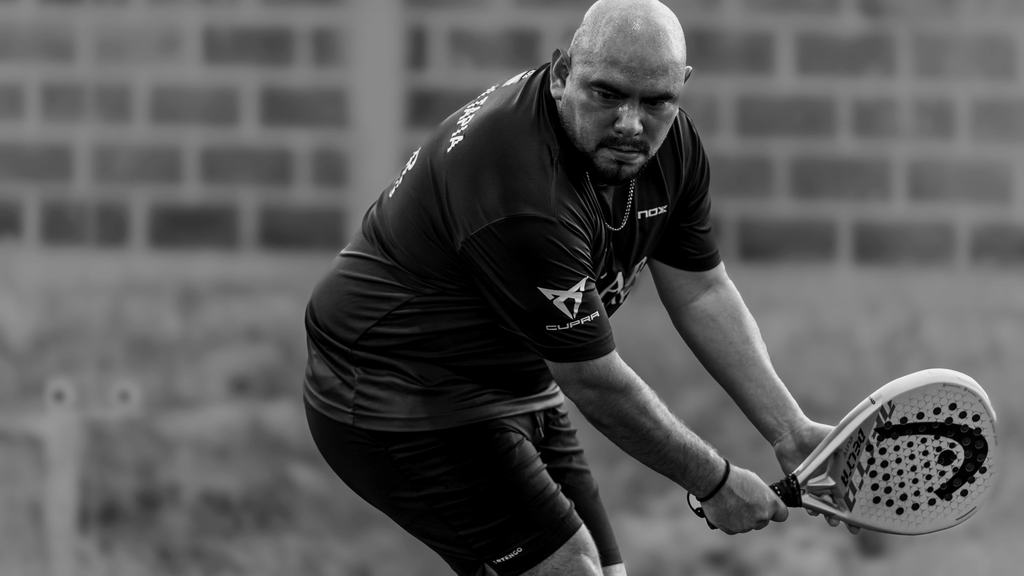
A padel racket has no strings. It is a solid, perforated paddle built in three layers: a frame (usually tubular carbon or fibreglass) that sets the shape, a core of EVA rubber or foam that fills the head, and a face of fibreglass, carbon or a blend laminated over both sides. A resin binds it all together, and the surface is finished smooth or textured.
Shape and balance decide where the sweet spot sits (see our shapes guide). Materials decide how the ball feels when it leaves the face: soft or firm, lively or muted, forgiving or precise. Get the materials right for your swing and the racket feels like part of your arm.
Core: soft EVA, hard EVA and foam
| Core | Feel | Power | Control | Comfort | Durability | Suits |
|---|---|---|---|---|---|---|
| Foam | Very soft, springy | High on slow swings | Lower | Highest | Lowest | Beginners, casual players, sore arms |
| Soft EVA | Soft, lively | Good on slow and medium swings | Good | High | Good | Beginners and improvers |
| Medium EVA | Balanced | Good across swing speeds | Good | Moderate | Good | Intermediate all-rounders |
| Hard EVA | Firm, solid | High only on fast swings | Highest | Lower | Highest | Advanced players with fast, clean swings |
The key idea: a soft core does the work for you, a hard core waits for you to do the work. On a slow swing, a soft core flexes and springs the ball back out. On the same swing, a hard core barely moves, so the ball comes off slower. On a full smash, the hard core returns that energy cleanly and precisely, while a soft core can feel mushy and send the ball long.
Brands use their own names for core blends, and many rackets combine densities. Read the description for soft, medium or hard, or comfort versus power.
Face: fibreglass vs carbon
Fibreglass is the more flexible material. It bends a little more at impact, which gives a softer feel, more help on slow swings and more forgiveness on off-centre hits. It is usually found on beginner and control rackets, and it is usually cheaper. The downside is durability: fibreglass faces can wear and lose liveliness sooner under heavy use.
Carbon is stiffer and stronger. It sends a well-struck ball off quickly and predictably, holds its shape better over time and resists chips more. It rewards a consistent, fast swing and is common on intermediate and advanced rackets. The downside: less forgiveness and more vibration reaching the arm when you miss the sweet spot.
Many rackets use a mix, combining layers of both to balance feel and durability. For many club players a mixed face with a medium core is the sweet spot of the whole market.
What 3K, 12K and 18K carbon mean
Carbon faces are woven from bundles of carbon filaments. The number before the K tells you roughly how many thousand filaments are in each bundle: 3K means about 3,000, 12K about 12,000, 18K about 18,000. Bigger bundles make a coarser weave with a different look and stiffness.
Brands use different weaves, layer counts and resins, and they market them differently. Higher counts are often described as stiffer and more powerful, and 3K is often described as giving a little more feel, but the label alone does not tell you how a racket plays. Core density, frame construction and how many layers are used all matter as much. Treat the K number as one clue, then judge the racket by hitting with it.
Surface texture, holes and anti-vibration
Texture
Faces come smooth, with a sandy grit finish, or with raised 3D patterns. A rough surface grips the ball for a moment longer, adding spin to slices, bandejas and viboras. It matters more as your technique improves. Texture wears down over months of play, especially on gritty outdoor courts.
Holes
The holes in a padel racket reduce air resistance and weight and affect how the face flexes. Hole pattern and size vary by brand and model; some rackets concentrate holes in the sweet spot to change the feel there. It is a fine detail: shape, balance and core matter far more.
Anti-vibration systems
Many brands build dampening systems into the throat, frame or core to reduce the vibration that travels up your arm. They genuinely help comfort, especially on stiff carbon rackets, but they do not replace a soft core, a sensible balance and good technique if you have elbow pain.
Choosing materials by Level and comfort
| Player | Core | Face |
|---|---|---|
| Beginner | Foam or soft EVA | Fibreglass or mix |
| Improver | Soft to medium EVA | Mix |
| Intermediate | Medium EVA | Carbon or mix, some texture |
| Advanced | Medium to hard EVA | Carbon, textured |
| Elbow or shoulder pain | Soft EVA or foam | Fibreglass or mix, with anti-vibration |
Your Level on PadelSP is a fair check before stepping up to harder materials. It moves only on confirmed scores, so if it is rising steadily and you are hitting the sweet spot consistently, a firmer racket may unlock more of your game. See our guides for beginners, intermediate and advanced players.
Heat, humidity and racket life in Pakistan
Materials matter for how long a racket lasts in local conditions. Summer heat makes cores softer and livelier for a while and, over time, speeds up the breakdown of foam and resin. Never leave a racket in a parked car in the afternoon sun: a thermal racket bag (see our bags guide) and a cool place at home will add months to its life. Humidity mostly affects your grip, so change overgrips often.
When buying second-hand on the PadelSP Market, check carefully for cracks in the frame and throat, worn texture, soft or dented spots on the face, and loose material rattling inside, which can mean the core has started to break up. Compare new stock and current prices at stores on PadelSP, and ask a coach on PadelSP Coaches to help you test a soft and a hard racket back to back. You will feel the difference in the first five volleys.
Frequently asked questions
Is EVA or foam better in a padel racket?
Neither is better for everyone. Foam is softer and gives easy power and comfort, which suits beginners and players with arm pain. EVA is more durable and precise, with hard EVA suiting advanced players and soft EVA suiting improvers.
Is carbon or fibreglass better for padel?
Carbon is stiffer, more precise and more durable, which suits players with fast, consistent swings. Fibreglass is more flexible and forgiving, which suits beginners. Many rackets mix the two.
Is 18K carbon better than 3K?
Not automatically. The number describes how many thousand filaments are in each carbon bundle. Brands tune stiffness and feel with weave, layers, core and frame, so judge the racket by how it plays, not by the label alone.
Why does my padel racket have a rough surface?
A rough or textured face grips the ball slightly, adding spin on slices, bandejas and viboras. The texture wears down with play, especially on outdoor courts.
Keep reading