The padel chiquita: the soft shot that wins back the net
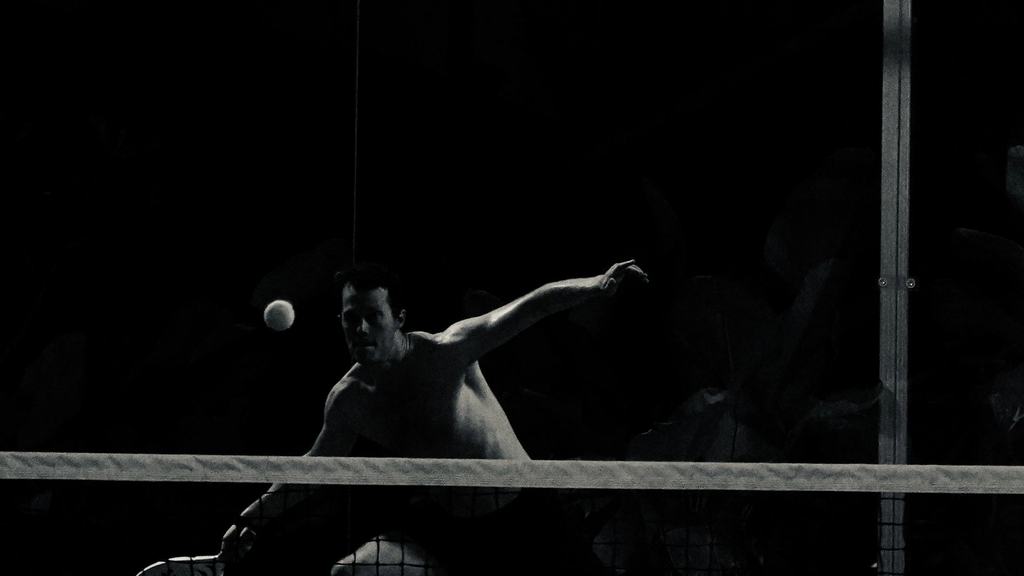
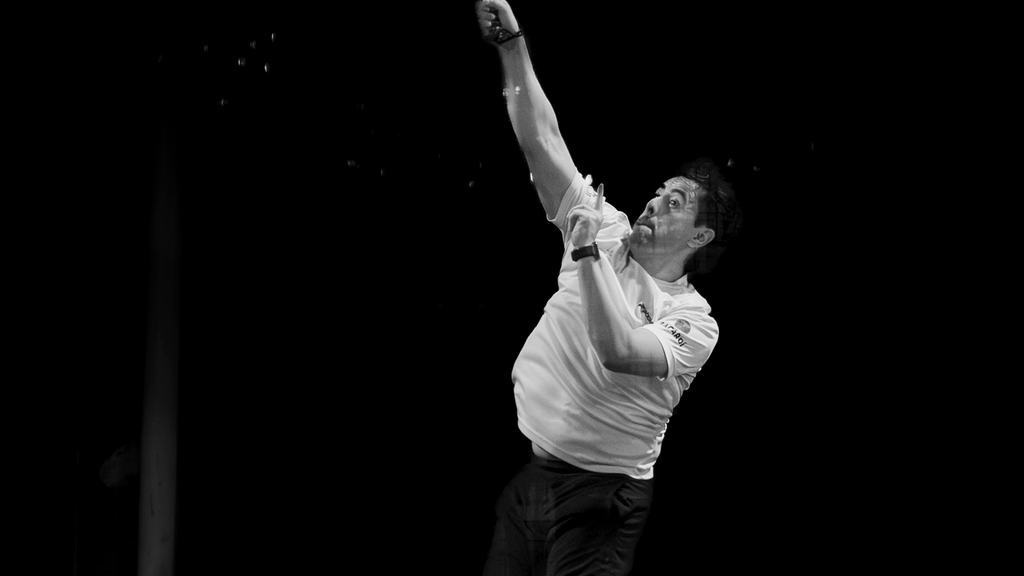
The chiquita is a slow, low ball played from the back of the court that dips just over the net at the feet of the opponents at the net. Because they have to volley it upwards, it gives you a weak reply and the chance to move forward and take the net yourself. Hit it with a short, controlled swing and a slightly open face, aiming low over the net and usually down the middle.
What the chiquita is and why it works
When your pair is at the back and the opponents hold the net, you need a way to get forward. The lob is the obvious one. The chiquita is the other. Chiquita roughly means little one in Spanish, and that is the shot: small, soft and sneaky.
Instead of hitting hard at players who are waiting to volley, you take the pace off and drop the ball low over the net so it lands around their feet or just in front of them. A volley from below the net has to go upwards, so it cannot be hit hard and downwards. That slower, higher reply is your chance to move up together and attack.
The chiquita works best against players who stand very close to the net or who like to punch volleys hard. It is less effective against a pair that stays a little further back and moves well, so mix it with lobs rather than relying on it.
When to play a chiquita
- The opponents are at the net and you are at the back, but the ball you receive is low or slow, so a good lob is hard.
- After a ball off the glass that comes to you at a comfortable height in front of your body.
- On the return of serve, when the server is rushing forward to the net. A low return at their feet as they arrive is very effective.
- To change rhythm after a run of lobs, so the net players cannot sit back and wait for overheads.
Do not play it when the ball is high and fast, when you are off balance, or when you have no intention of moving forward afterwards. A chiquita without a follow-up is just a gentle ball.
How to hit a chiquita, step by step
For a right-handed player. Left-handers mirror the steps.
- Grip: continental, the same as for volleys and most groundstrokes in padel.
- Get low early. Bend your knees so your eyes are closer to the height of the ball. Most bad chiquitas come from bending the back instead of the legs.
- Short backswing. Take the racket back only a little. The shot needs control, not power.
- Slightly open face. Open the racket face a touch so you can lift the ball gently over the net and add a little slice.
- Contact in front and to the side of your body, at around knee to hip height.
- Smooth, slow swing forward and slightly upwards, with a short follow-through towards your target.
- Aim low over the net so the ball starts dropping as soon as it crosses.
- Move forward straight away with your partner as the ball crosses the net.
Some players use a touch of topspin instead of slice, which makes the ball dip faster. Either works. What matters is a low, slow ball that lands short.
Where to aim
- Down the middle is the safest and most common target. Both net players may go for it, or both may leave it.
- At the feet of the stronger volleyer, so their best shot has to go upwards.
- Cross-court at the feet of a player arriving at the net, especially after a serve.
- Short and wide towards the side glass, now and then, to pull a net player out of position.
The target is the area around their feet or just in front of them, not their racket. A chiquita at waist height is a gift.
Common chiquita mistakes
- Too high. A ball that floats above net height gets volleyed down at you. Lower is better, even if you hit the net now and then while learning.
- Too fast. Speed makes the ball reach the volleyer at a good height. Take pace off.
- Staying at the back. The whole point is to move forward. If you watch it, you lose the advantage.
- Using it every time. Good net players read a repeated chiquita and step in early to volley it. Mix it with lobs.
- Standing upright. Bend the knees. The ball is low, so you need to be low too.
Two drills for the chiquita
1. Feet zone
Two players at the net, two at the back. Mark a zone with towels just inside the service line on the net players' side, close to where their feet would be. The back players feed themselves off the glass and play chiquitas into the zone. Net players must volley everything. Score a point for the back pair for every volley that comes back above head height.
2. Chiquita and charge
Play live points where the back pair must start with a chiquita and then move to the net together. They win the point only if they win it from the net. This teaches the movement that turns a soft shot into a winning pattern.
How the chiquita fits your tactics
Padel is a fight for the net, and you have two keys to open it: the lob over the net players and the chiquita at their feet. Use only the lob, and good opponents sit back and wait for overheads. Use only the chiquita, and they creep forward and kill it. Mix the two and they never know whether to step in or drop back.
It also suits the conditions in many Pakistani clubs. In the summer heat the ball tends to fly more, and lobs can drift long. A low, controlled chiquita is easier to keep in the court when the ball is lively. For the bigger picture, see padel doubles tactics.
Practise the chiquita with PadelSP
The chiquita is a touch shot, and touch comes from many balls and good feedback. A verified coach on PadelSP can work on your knee bend, face angle and the movement forward afterwards.
Then use it in games against players around your Level, found through Play. Americano and Mexicano nights are great for this: you play many short matches against different pairs, so you quickly learn which opponents struggle with low balls. When you are ready, Ranked games show whether your new pattern wins points, because your Level moves only on confirmed scores.
Frequently asked questions
What does chiquita mean in padel?
It is a soft, low shot from the back of the court that dips at the feet of the net players, forcing them to volley upwards so you can move forward and take the net.
Where should I aim a chiquita?
Usually down the middle or at the feet of the net player, landing low and short so they have to volley from below the net.
Should I play a chiquita or a lob?
Mix both. Lob when you have time and a good ball to lift, play a chiquita when the ball is low or the net players stand very close. Using only one makes you predictable.
Is the chiquita a good return of serve?
Yes, especially against a server rushing to the net. A low return at their feet as they arrive is one of the best ways to start a point well.
Keep reading